


Satisfied Patients

Years of Experience

Awards & Recognitions

Clinical Success Rate
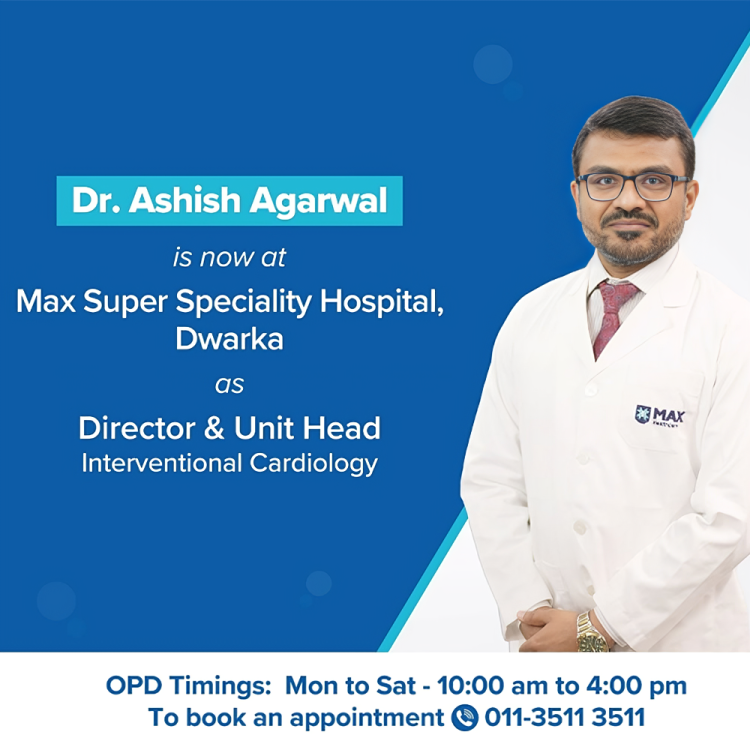
Dr. Ashish Agarwal is a highly experienced and trusted name in cardiology, currently serving as Director Cardiology & Unit Head at Max Hospital. With years of expertise in diagnosing and treating complex heart conditions, he is widely recognized as one of the best cardiologists in Dwarka.
He specializes in advanced cardiac procedures, preventive cardiology, and personalized treatment plans to ensure the best outcomes for his patients. His patient-centric approach, combined with cutting-edge technology at Max Hospital Dwarka, makes him a preferred choice for heart care.
Driven by his mission to provide world-class heart care services, Dr. Ashish Agarwal continues to lead the department at Max hospital with integrity, innovation, and a deep sense of responsibility toward improving heart health in the community.


From preventive to advanced interventional treatments, Offering complete heart care under one roof.

Dr. Ashish Agarwal is renowned for successfully managing high-risk and complex cardiac cases.

Dr. Ashish Agarwal clinic is equipped with state-of-the-art diagnostic tools and cardiac imaging systems.

He known for empathetic approach, commitment to patient well-being at every step of the journey.

Coronary angiography detects heart artery blockages using contrast dye and X-rays for accurate diagnosis.


Coronary angioplasty opens blocked heart arteries using a balloon and stent to restore blood flow.

Pacemaker implantation regulates abnormal heart rhythms by sending electrical signals to maintain a steady heartbeat.

Cardiac catheterization diagnoses and treats heart conditions by inserting a thin tube into heart vessels.

Device closure treats heart defects like ASDs or VSDs by sealing openings using a special implant.

Balloon valvuloplasty treats narrowed heart valves by inflating a balloon to improve blood flow.

Holter test records your heart’s activity continuously for 24-48 hours to detect irregular rhythms.

ABPM test monitors your blood pressure over 24 hours to detect hypertension and assess treatment effectiveness.
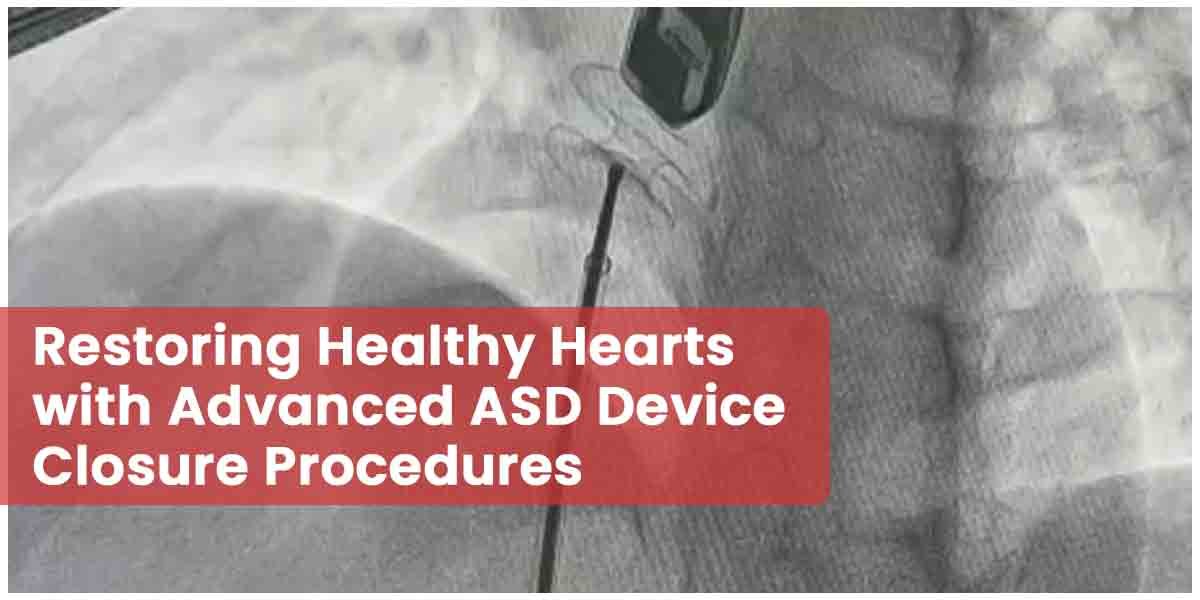
A patient presented at Max Hospital Dwarka with symptoms of persistent fatigue, breathlessness during routine activities, and occasional palpitations. The symptoms had gradually progressed, impacting daily activities and overall well-being.
After a comprehensive cardiac evaluation by Dr. Ashish Agarwal and team, diagnostic investigations revealed an Atrial Septal Defect (ASD), a congenital heart condition involving an abnormal opening between the upper chambers of the heart.
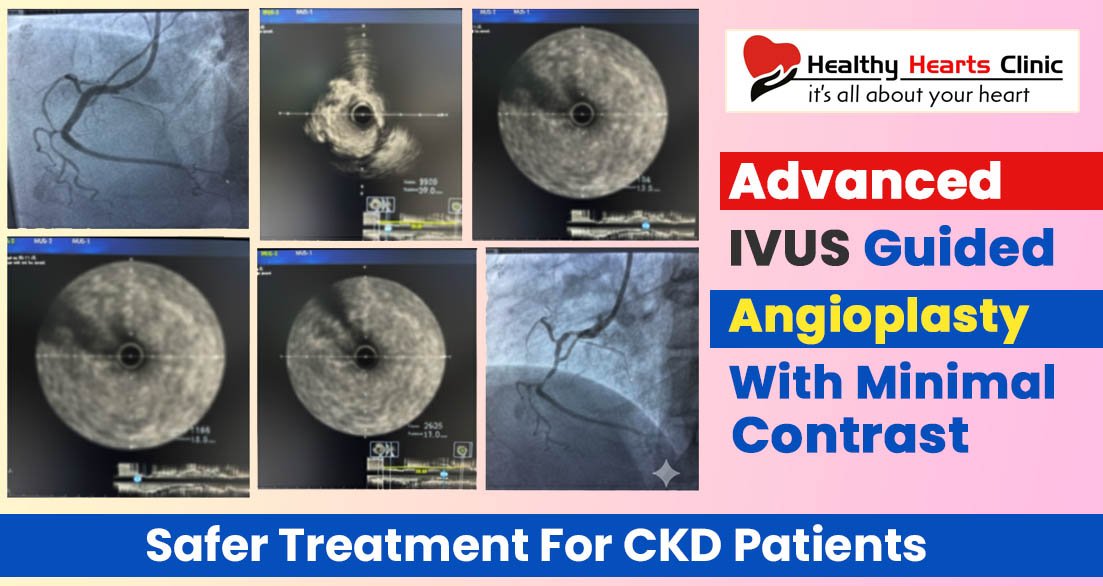
Family was very apprehensive about worsening kidney function because baseline creat was 1.5. Patient showed confidence in new techniques and gave consent to go ahead. Total contrast used was just 5 ml in entire angioplasty Minimal-contrast PCI refers to a coronary intervention performed using the smallest possible amount of iodinated contrast, typically ≤20 mL (often less then 10 mL in CKD patients), while still ensuring safety and procedural success. It is mainly used in patients with moderate-to-severe chronic kidney disease (CKD) to reduce the risk of contrast-induced nephropathy (CIN).
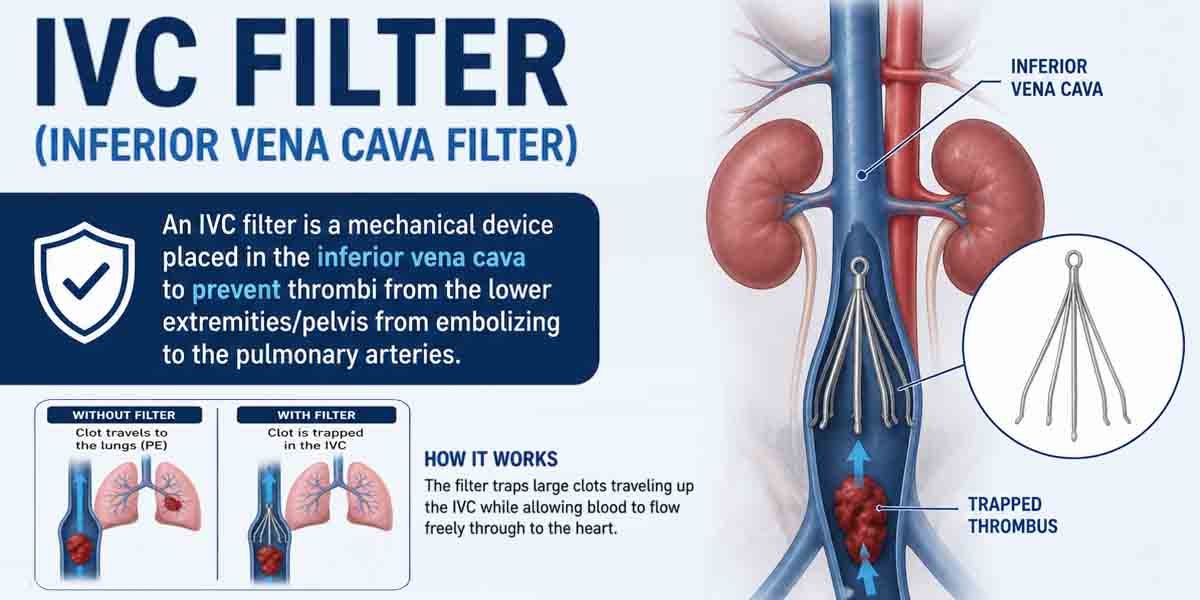
Pulmonary embolism (PE) is a potentially life-threatening condition caused by blood clots traveling to the lungs, most commonly from deep veins in the legs. While anticoagulation remains the primary treatment, certain high-risk situations demand alternative strategies. This case highlights the critical role of an Inferior Vena Cava (IVC) filter in preventing fatal complications.
The standard treatment for DVT and PE is anticoagulation. In this case:
This created a critical need for an alternative, life-saving intervention.
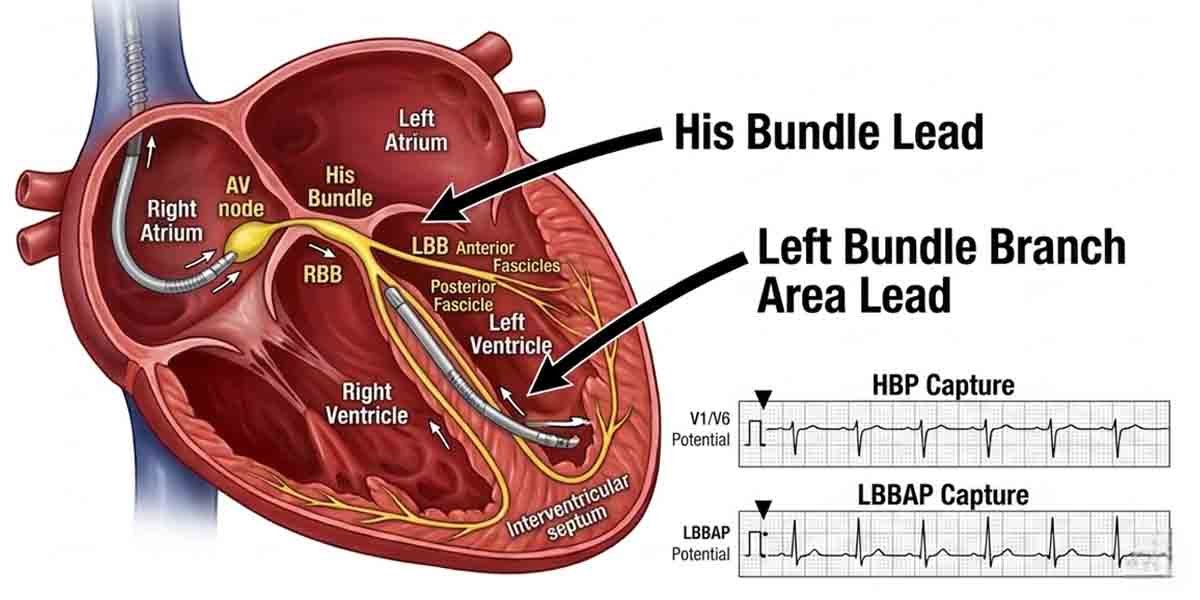
At the forefront of modern cardiac electrophysiology, Dr. Ashish Agarwal continues to bring cutting-edge innovations to patient care. In a remarkable clinical achievement, he successfully performed two back-to-back Conduction System Pacing (CSP) procedures in a single day, demonstrating both technical precision and commitment to delivering the most advanced treatment options.
Both procedures resulted in narrow QRS complexes on ECG, closely resembling a normal physiological heartbeat—an outcome that reflects the true potential of this advanced pacing technique.
Rotablation is primarily indicated to modify heavily calcified coronary lesions to allow adequate balloon dilation and optimal stent deployment.
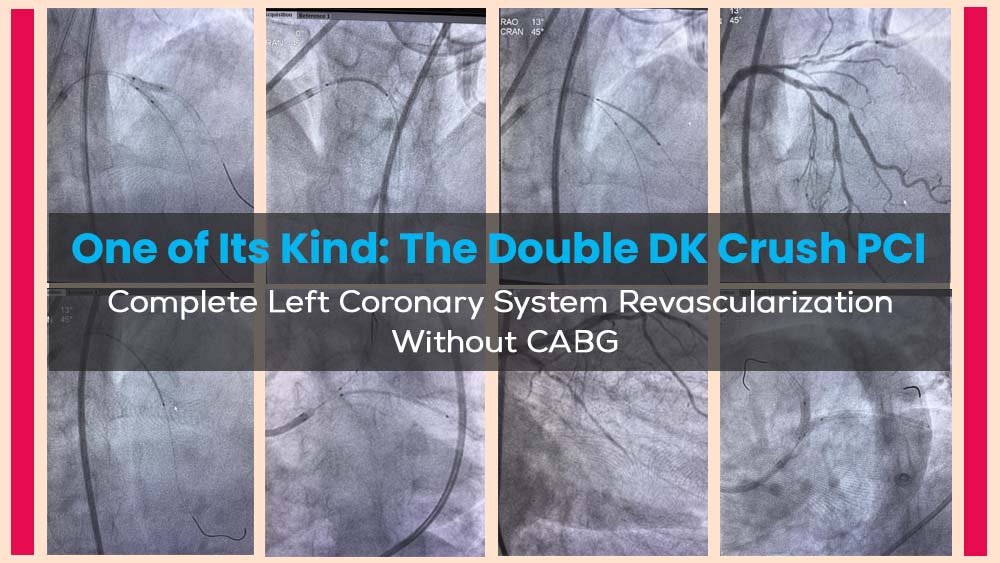
A 71-year-old female patient presented to the emergency department with symptoms suggestive of acute coronary syndrome. Coronary angiography revealed severe, complex left coronary artery disease involving the left system, traditionally best managed with Coronary Artery Bypass Grafting (CABG).
After a detailed Heart Team discussion, CABG was strongly advised considering the complexity of the lesions. However, after understanding the risks and benefits, the patient declined surgical intervention and opted for a percutaneous solution.
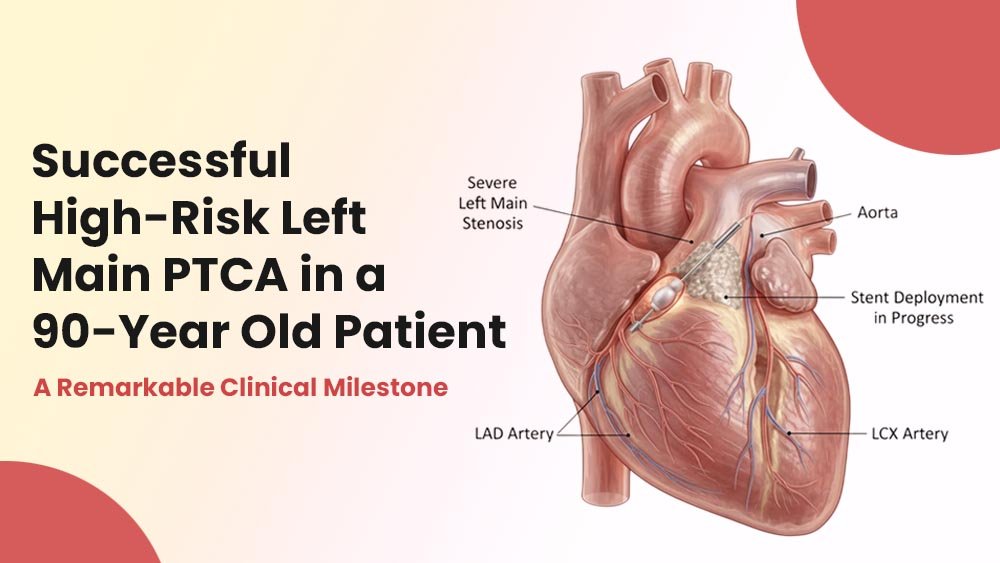
A 90-year-old elderly gentleman, a lung cancer survivor, with known chronic kidney disease (CKD), presented to our emergency department with symptoms suggestive of acute coronary syndrome (ACS). Given his age and complex medical history, he was categorized as an extremely high-risk patient from the outset.
Managing acute coronary syndrome (ACS) in extremely elderly patients with multiple comorbidities remains one of the greatest challenges in interventional cardiology. This case represents a remarkable example of how advanced techniques, meticulous planning, and experienced execution can lead to excellent outcomes—even in the highest-risk scenarios.
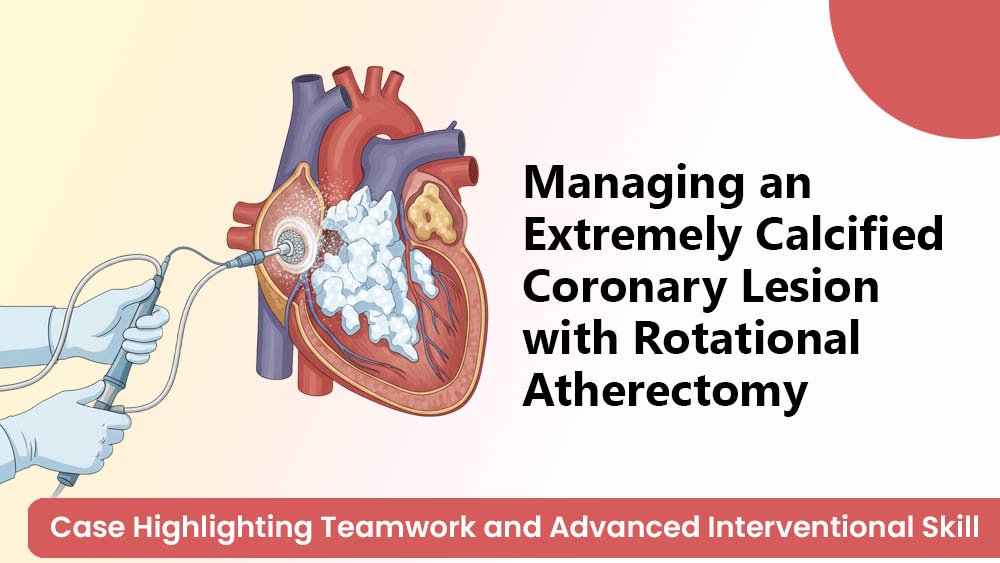
Interventional cardiology often presents situations where anatomical complexity, patient instability, and time-critical decision-making converge. One such challenging scenario is the management of densely calcified coronary artery lesions, especially when conventional balloon angioplasty fails. This case exemplifies how rapid team coordination, procedural adaptability, and advanced plaque modification techniques can transform an otherwise stalled intervention into a successful outcome.
The patient presented with severe coronary artery disease involving a heavily calcified vessel, compounded by critical clinical instability. During coronary intervention, the lesion demonstrated extreme resistance, such that even the smallest available 1 mm balloon could not cross the stenotic segment.
Stay informed and empowered with our patient education blogs, designed to provide valuable insights about Cardiac Care.
Schedule a consultation with our experienced cardiologist and take the first
step towards a healthier, stronger you.
Copyright © 2025 Dr. Ashish Agarwal | All Rights Reserved
 The Story Door


