
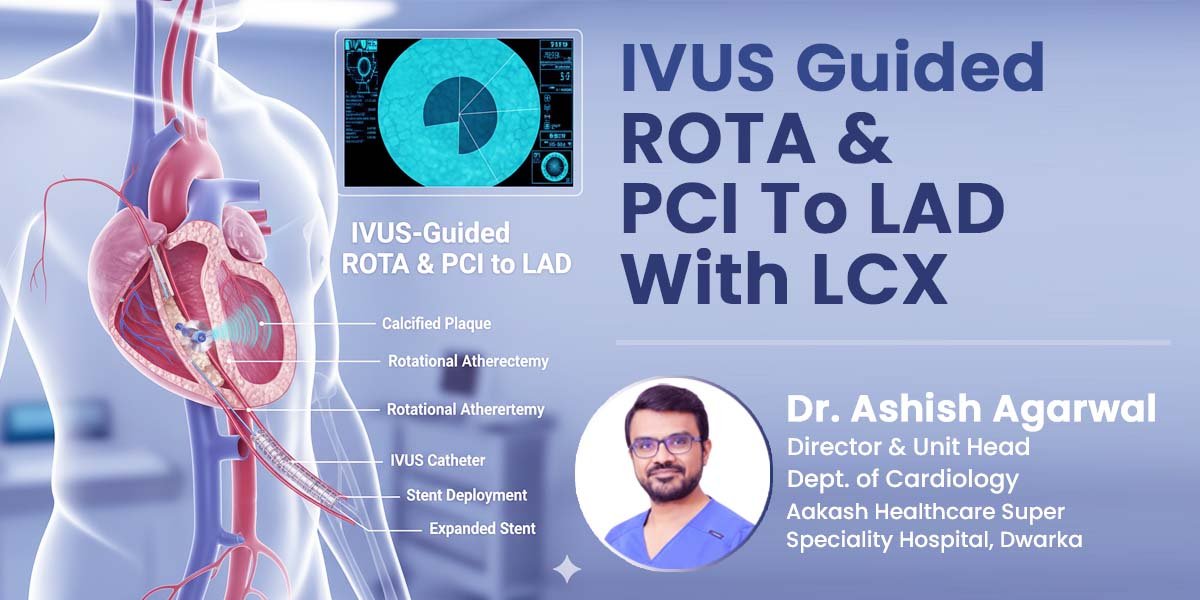
Rotational atherectomy, also known as rotablation, is an advanced plaque-modifying technique used during percutaneous coronary intervention (PCI). It is especially helpful in treating coronary artery lesions with extensive calcification, where routine balloon angioplasty and stent deployment may be ineffective or unsafe.
The primary purpose of rotablation is to alter rigid calcium within the coronary arteries, improving vessel compliance and enabling successful balloon expansion and optimal stent placement.
Rotablation is considered in patients with complex coronary lesions where heavy calcification interferes with standard interventional techniques. The most common indications include:
Certain patient characteristics and lesion locations increase the likelihood of requiring rotational atherectomy. These include:
Intravascular imaging plays an important role in selecting appropriate cases for rotablation. Techniques such as IVUS and OCT help assess calcium thickness, circumferential involvement, and lesion length, allowing interventional cardiologists to plan the procedure more accurately.
Schedule a consultation with our experienced cardiologist and take the first
step towards a healthier, stronger you.
Copyright © 2025 Dr. Ashish Agarwal | All Rights Reserved
 The Story Door